Baltic Worlds Election Coverage online is commenting on the elections taking place in the region.. The comments and analyses present the parties, the candidates and the main issues of the election, as well as analyze the implications of the results.
The highly preliminary electoral results of the regional elections in Ukraine indicate that the rapidly changing framework has had a highly diverse effect on the political arena, emboldening some, and discouraging others.
By
Geir Flikke
November 18, 2010
On October 10 the people of Kyrgyzstan elected a new national parliament (Jogorku Kenesh) in an election that has been described as the most free and fair ever in a post-Soviet Central Asian republic. A closer look at the elections as well as their results indicates certain obstacles on the road to a prosperous parliamentary system.
By
Sofie Bedford
October 20, 2010
With several old parties joined in new constellations, the Latvian party landscape may have turned its back on party fragmentation. The Latvian autumn sky is however clouded by low turnout, the lingering issue of corruption, and, in the shadow of the economic crisis, reports about possible vote-buying.
By
Emelie Lilliefeldt
October 9, 2010
The outcome of the 2010 election Late Sunday evening on the 19th of September, it appeared as if the general […]
By
Åsa Bengtsson
October 5, 2010
Baltic Worlds will be commenting on the parliamentary and presidential elections taking place in countries around the Baltic Sea region and in Eastern Europe. The comments and analyses, written by researchers and in a few cases by expert journalists, present the parties, the candidates and the main issues of the election, as well as analyze the implications of the results.
First out: a report from the election in Poland this summer.
By
Ninna Mörner
September 10, 2010
The Polish domestic political scene since the presidential election has been characterized by much sharper political divisions than before the disaster in Smolensk on April 10. At no time since 1989, have the tone of debate and the accusations been as hostile as now.
Jaroslaw Kaczynski may have lost the presidential election, but because of the disaster in Smolensk and the good election results, he emerged politically stronger from the campaign. He has now set his sights on the next election campaigns in Poland. In November, municipal elections will be held, including politically important direct elections to mayoral positions in the cities of Poland. Next year it will be time for election to the Polish Sejm. All indications suggest that the strong differences of opinion and the angry tone of Polish politics will continue until the parliamentary election, although some hold hopes that somewhat cooler political winds may blow across the country after the municipal election this fall.
By
Peter Johnsson
September 8, 2010

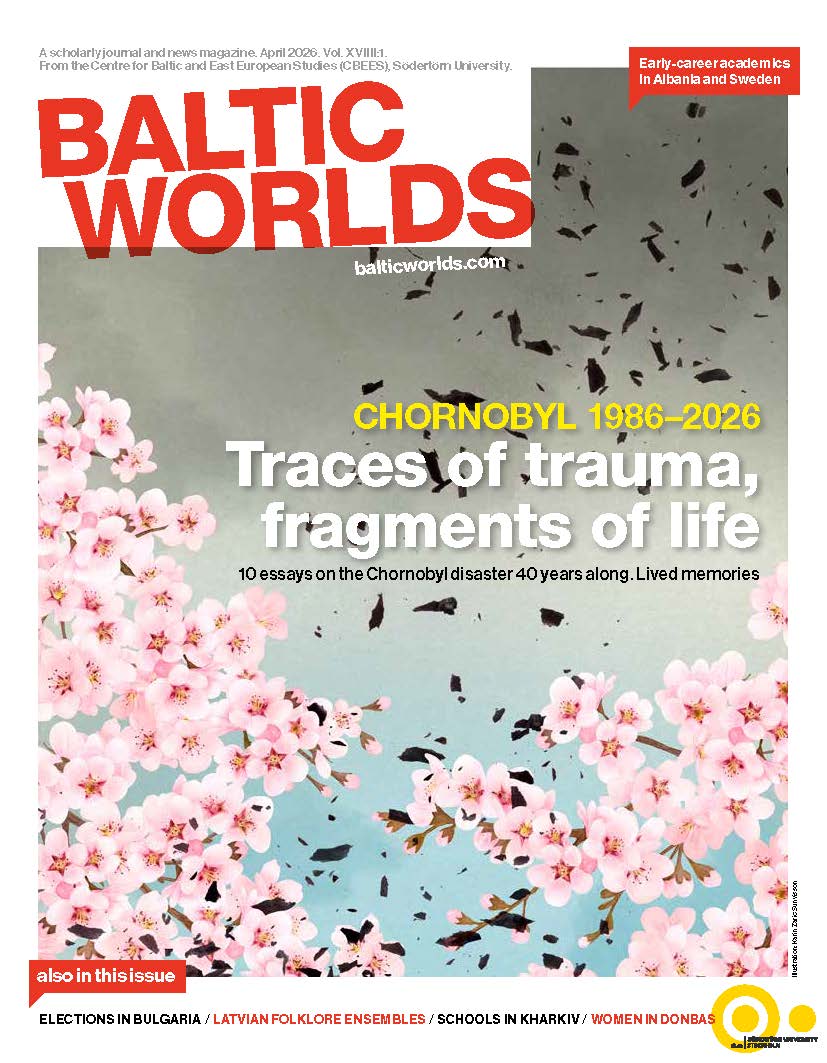 Issue 2026, 1:
 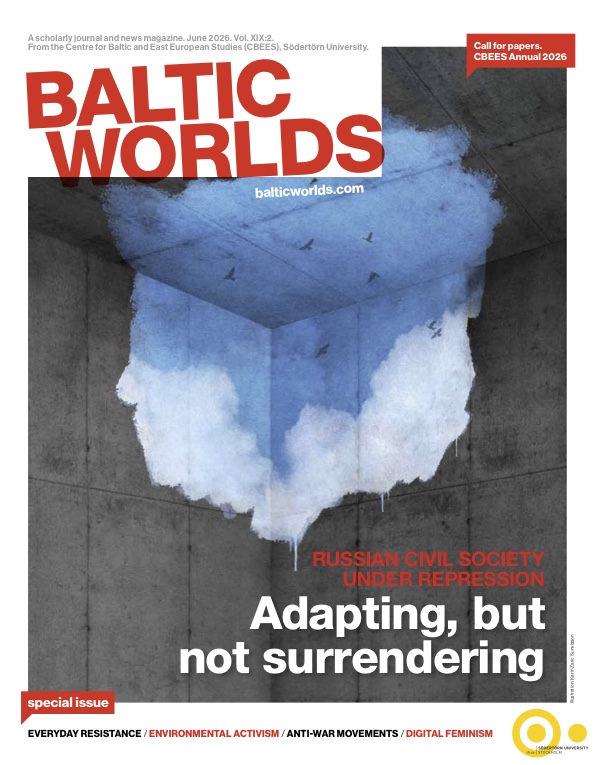 Issue 2026, 2:
  Baltic Worlds covers; the Baltic Sea Region, Eastern Europe, Russia, CentralAsia, Caucasus and the Balkan area.