
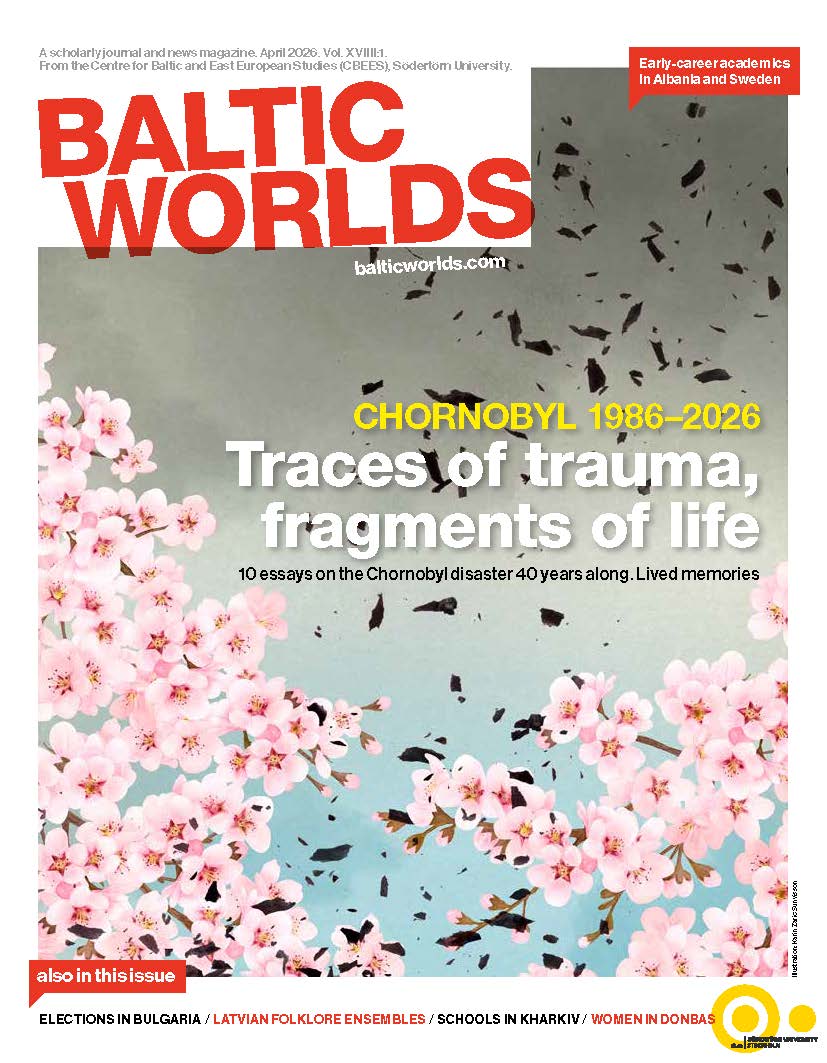
 Issue 2026, 1:
 “We comply but do not obey” Everyday resistance in contemporary Russian schools
Following the full-scale invasion of Ukraine in 2022, education has become a central arena in Russia for the consolidation of an authoritarian state project. This article examines how history and social studies teachers navigate the intensified ideological control in everyday school practice. Drawing on ten in-depth interviews conducted in late 2024, the study analyses subtle, non-heroic forms of resistance, conceptualized through James C. Scott’s notion of the “weapons of the weak”. The guiding research question is: What forms does resistance take when open confrontation becomes too costly, and how should such practices be interpreted politically? The authors identify two principal scenarios of resistance: a collective one, which they term the “besieged fortress,” and an individual one – “a stranger among one’s own”; suggesting an ambivalent character of quiet resistance in authoritarian contexts — simultaneously protective, adaptive, and potentially erosive of the regime’s normative authority.