
Download back issue of Baltic Worlds
 Issue 2026, 1: Download.
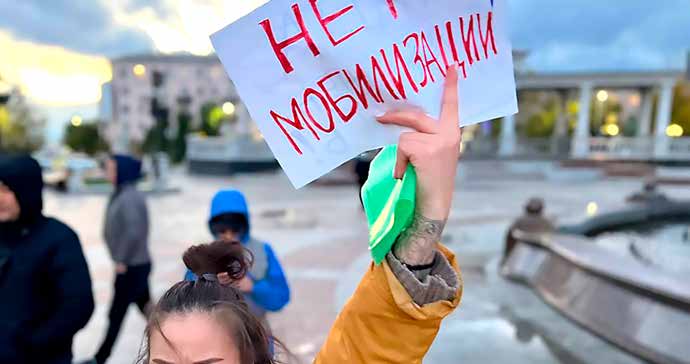
Peer-reviewed articles Anti-war movements from Russia’s national republics Intersections of gender, sexuality, and decoloniality
Since the onset of Russia’s full-scale invasion of Ukraine, various ethnic protest and anti-war movements from Russia’s national republics have called for decolonization. While the focus of these initiatives lies in regional politics and ethnic and Indigenous rights, the movements also address women’s and LGBTQ rights. Based on content analysis of seven ethnic anti-war initiatives, this article examines the themes and frameworks through which questions related to gender and sexuality are addressed within the activist agendas of these initiatives. The analysis shows that while these questions play only a minor role in the ethnic anti-war activism, they are used to articulate systemic oppression and the harmful impact of Russian state policies on people in the national republics. Taken together, the ways in which gender and sexuality are discussed bring out the activists’ search for a discursive position between Russian and Western political and discursive regimes.
Published in the printed edition of Baltic Worlds BW 2026:2, pp 60-71
Published on balticworlds.com on May 29, 2026


abstract
Since the onset of Russia’s full-scale invasion of Ukraine, various ethnic protest and anti-war movements from Russia’s national republics have called for decolonization. While the focus of these initiatives lies in regional politics and ethnic and Indigenous rights, the movements also address women’s and LGBTQ rights. Based on content analysis of seven ethnic anti-war initiatives, this article examines the themes and frameworks through which questions related to gender and sexuality are addressed within the activist agendas of these initiatives. The analysis shows that while these questions play only a minor role in the ethnic anti-war activism, they are used to articulate systemic oppression and the harmful impact of Russian state policies on people in the national republics. Taken together, the ways in which gender and sexuality are discussed bring out the activists’ search for a discursive position between Russian and Western political and discursive regimes.
KEYWORDS: Ethnic minorities, anti-war activism, ethnic activism, decolonial activism, decolonial feminism.