
Download back issue of Baltic Worlds
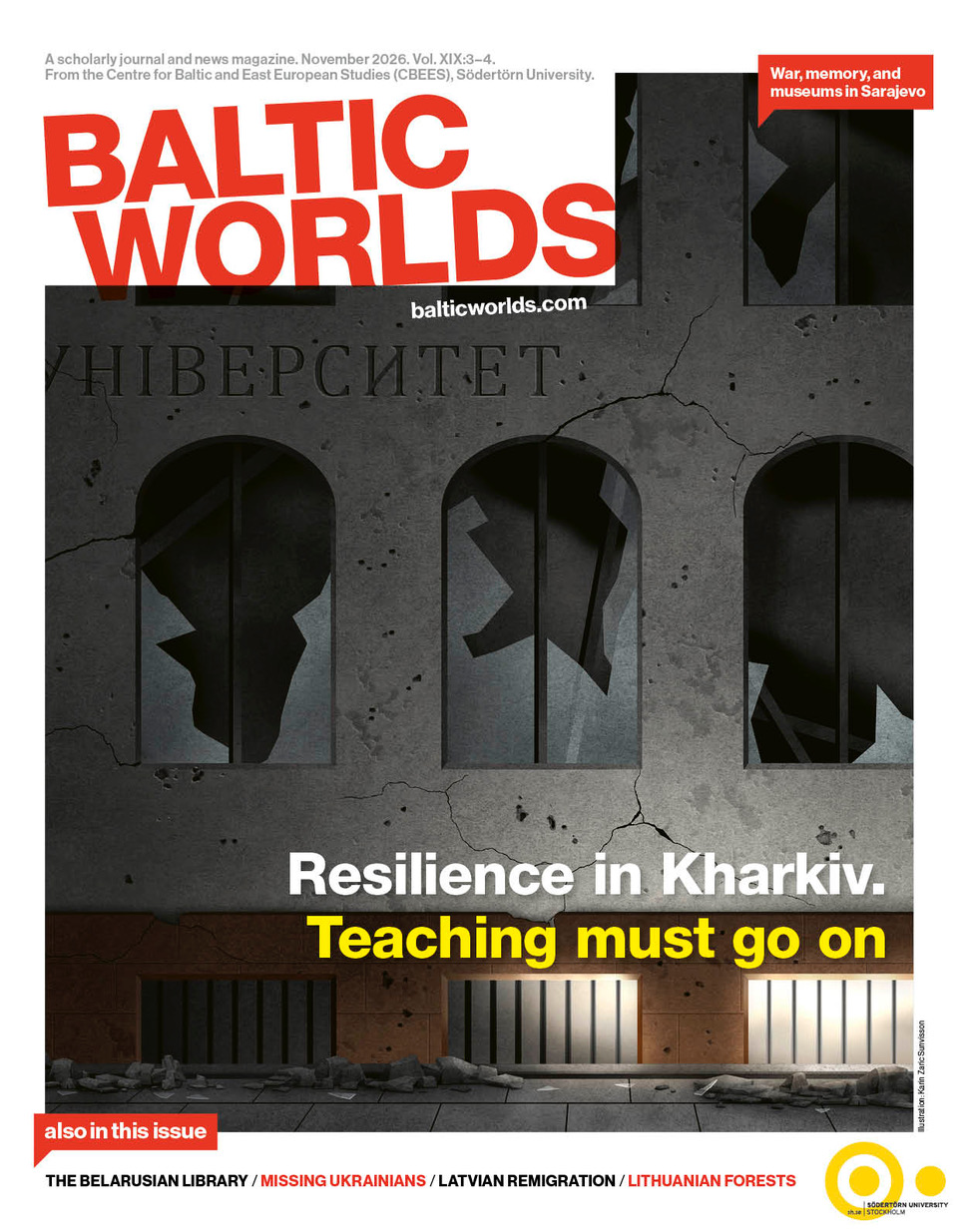 Issue 2026, 3-4: Download.
Essays The Sarajevo museums and preserving the memory of the Bosnian War and war crimes
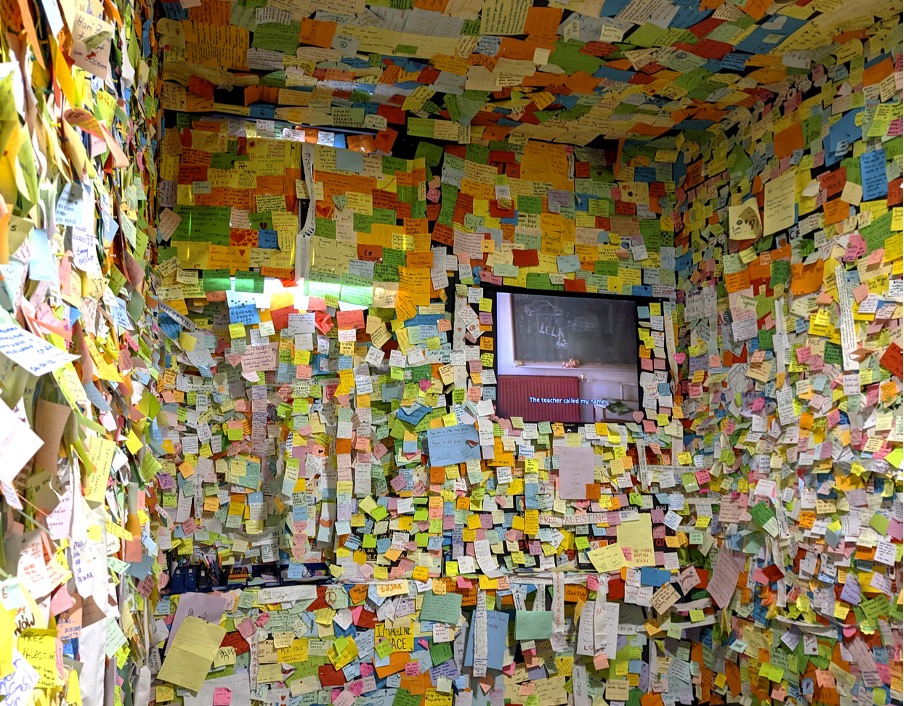
Museums in Sarajevo (BiH) serve as sites for preserving and re-examining the memory of the war and war crimes of the 1990s. Engagement with memory takes place across both micro- and macro-contexts, which helps to flesh out individual narratives, highlight the specific characteristics of events, and underscore traumatic aspects. In this capacity, these museums have evolved into educational and research hubs dedicated to addressing the memory of the war and attempting to overcome societal trauma. A drawback, however, is the focus on a single perspective – the Bosniak one – to the exclusion of the Bosnian Serb and Bosnian Croat perspectives on the war and the associated war crimes.
Published in the printed edition of Baltic Worlds BW 2026 vol. 19 no. 3-4, pages 12-18
Published on balticworlds.com on November 6, 2026


abstract
Museums in Sarajevo (BiH) serve as sites for preserving and re-examining the memory of the war and war crimes of the 1990s. Engagement with memory takes place across both micro- and macro-contexts, which helps to flesh out individual narratives, highlight the specific characteristics of events, and underscore traumatic aspects. In this capacity, these museums have evolved into educational and research hubs dedicated to addressing the memory of the war and attempting to overcome societal trauma. A drawback, however, is the focus on a single perspective – the Bosniak one – to the exclusion of the Bosnian Serb and Bosnian Croat perspectives on the war and the associated war crimes.
KEYWORDS: Sarajevo museums, Bosniaks, war crimes, Srebrenica, memorialization.