
Download back issue of Baltic Worlds
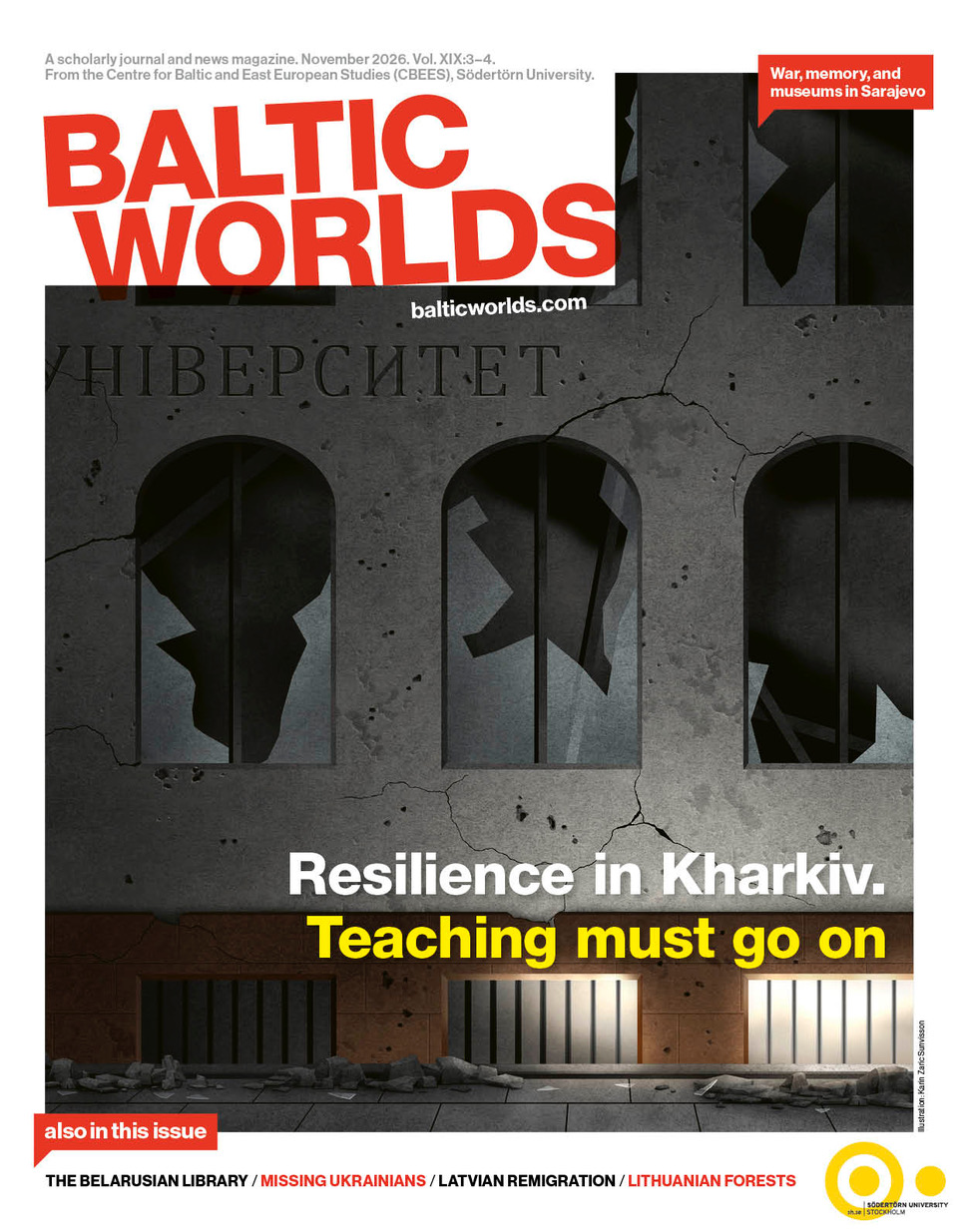 Issue 2026, 3-4: Download.
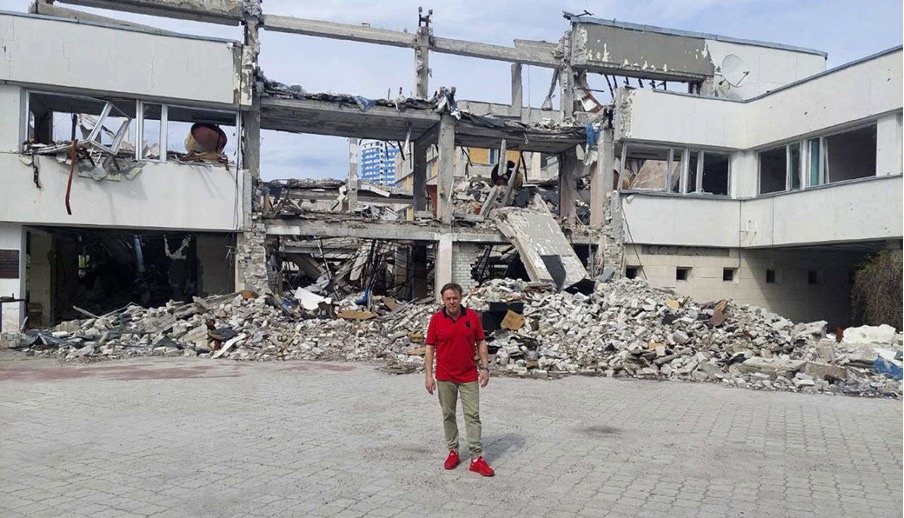
Essays University staff’s mental health in wartime Personal experiences, emotional well-being, and support mechanisms
This study empirically examines the psycho-emotional well-being and burnout-related symptoms of 94 academic staff from Kharkiv, Sumy, and Dnipro. Data collected via adaptive self-report instruments were analyzed using Spearman’s rank correlation. Results indicate substantial emotional strain, with 79.8% of respondents reporting moderate-to-high emotional exhaustion. The correlation analysis showed that respondents with direct personal connections to the war, such as relatives in the Armed Forces, were significantly more stressed and emotionally exhausted. Interestingly, despite high emotional exhaustion, negative affective reactions remained low, reflecting how collective professional identity and civil obligation as non-material resources mitigate cynicism and counteract the traditional Maslach Burnout Inventory model. Furthermore, functional impairment correlated powerfully with internal emotional exhaustion rather than external infrastructural disruptions. Consequently, support strategies must address individual trauma loads, reinforcing mission and purpose as key non-material resources to reduce long-term professional attrition.
Published in the printed edition of Baltic Worlds BW 2026 vol. 19 no. 3-4, pages 64-74
Published on balticworlds.com on November 6, 2026


abstract
The ongoing full-scale war in Ukraine has significantly transformed the higher education system, placing increased professional demands on faculty members under prolonged stress.
This study empirically examines the psycho-emotional well-being and burnout-related symptoms of 94 academic staff from Kharkiv, Sumy, and Dnipro. Data collected via adaptive self-report instruments were analyzed using Spearman’s rank correlation. Results indicate substantial emotional strain, with 79.8% of respondents reporting moderate-to-high emotional exhaustion. The correlation analysis showed that respondents with direct personal connections to the war, such as relatives in the Armed Forces, were significantly more stressed and emotionally exhausted. Interestingly, despite high emotional exhaustion, negative affective reactions remained low, reflecting how collective professional identity and civil obligation as non-material resources mitigate cynicism and counteract the traditional Maslach Burnout Inventory model. Furthermore, functional impairment correlated powerfully with internal emotional exhaustion rather than external infrastructural disruptions. Consequently, support strategies must address individual trauma loads, reinforcing mission and purpose as key non-material resources to reduce long-term professional attrition.
KEYWORDS: University lecturers, wartime Ukraine experience, occupational burnout, work-related functioning, wartime stressors.