
Download back issue of Baltic Worlds
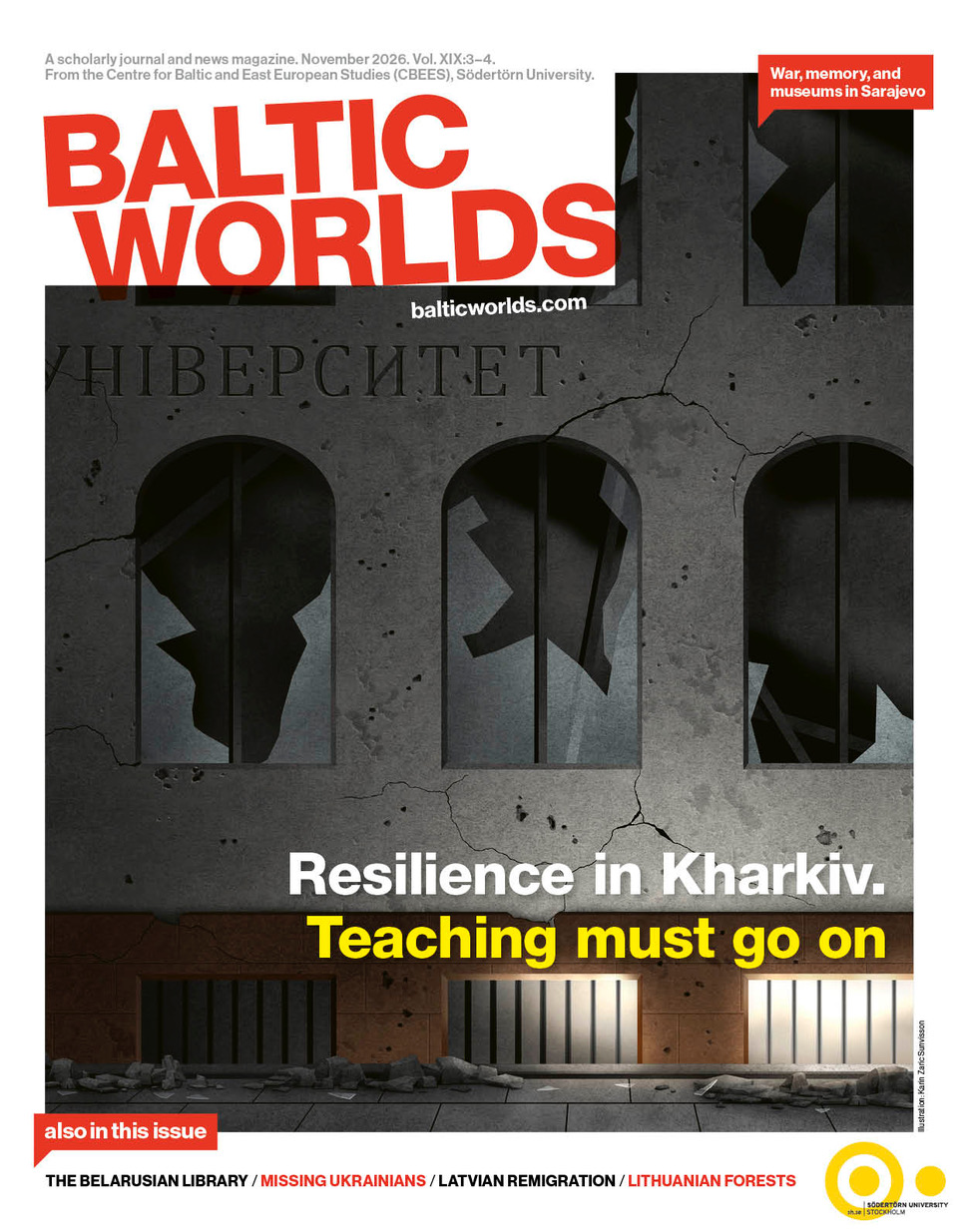 Issue 2026, 3-4: Download.
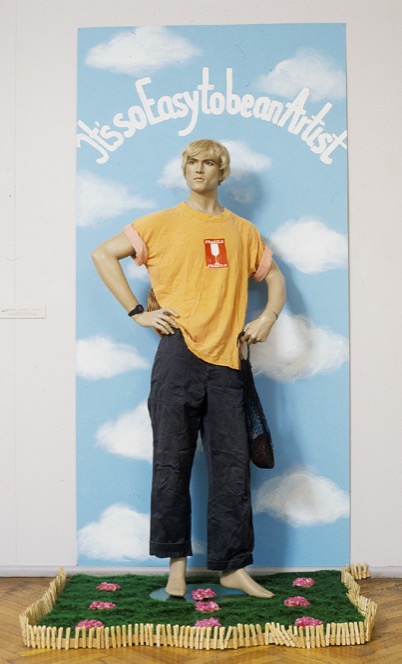
Peer-reviewed articles Baltic and Nordic perspectives on cultural policies and marketization of arts
This article examines how cultural policy initiatives in two Nordic and two Baltic countries have addressed the idea of cultural and creative industries and artistic autonomy in relation to artists’ work. Drawing on a thematic analysis of national cultural policy documents in Finland, Sweden, Estonia and Lithuania, the study explores the long durée of cultural policy shifts from a welfare perspective safeguarding artistic work from political and commercial influences toward increasingly market-oriented and entrepreneurial approaches. Despite differing historical trajectories, the Nordic and Baltic countries exhibit similar patterns in integrating arts and culture into the cultural and creative industries sector and adopting a market logic for artistic work. The document analysis reveals a more turbulent transition towards viewing artists as entrepreneurial market actors in the Baltic states, whereas the Nordic countries have incorporated these ideas more incrementally, partially because of the earlier adoption of neoliberal principles. In all countries the political goal of merging cultural and economic policies was transformative of the artistic sector, provoking both resistance and pragmatic approaches from the stakeholders.
Published in the printed edition of Baltic Worlds BW 2026 vol. 19 no. 3-4, pages 19-36
Published on balticworlds.com on November 6, 2026


abstract
This article examines how cultural policy initiatives in two Nordic and two Baltic countries have addressed the idea of cultural and creative industries and artistic autonomy in relation to artists’ work. Drawing on a thematic analysis of national cultural policy documents in Finland, Sweden, Estonia and Lithuania, the study explores the long durée of cultural policy shifts from a welfare perspective safeguarding artistic work from political and commercial influences toward increasingly market-oriented and entrepreneurial approaches. Despite differing historical trajectories, the Nordic and Baltic countries exhibit similar patterns in integrating arts and culture into the cultural and creative industries sector and adopting a market logic for artistic work. The document analysis reveals a more turbulent transition towards viewing artists as entrepreneurial market actors in the Baltic states, whereas the Nordic countries have incorporated these ideas more incrementally, partially because of the earlier adoption of neoliberal principles. In all countries the political goal of merging cultural and economic policies was transformative of the artistic sector, provoking both resistance and pragmatic approaches from the stakeholders.
KEYWORDS: Artistic autonomy, cultural entrepreneurship, cultural industries, cultural policy, Baltic, Nordic.