
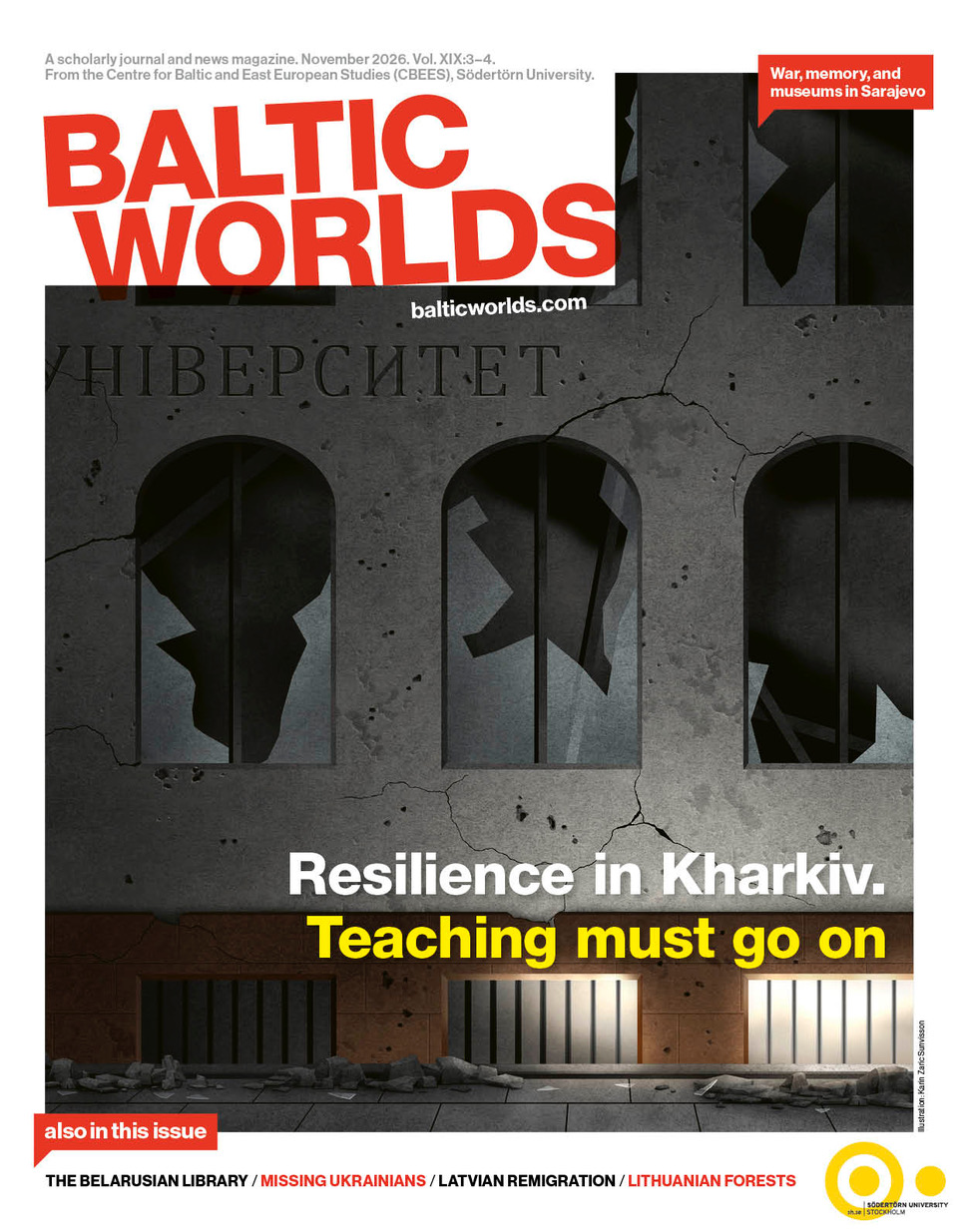
 Issue 2026, 3-4:
Diasporic heritage and remigration IDENTITY, MEMORY, AND RETURN AMONG SECOND-GENERATION LATVIAN EXILES
This article examines the remigration of second-generation Latvian exiles who relocated from the United Kingdom to Latvia in the 1990s after the restoration of independence. Drawing on life-story interviews, the study approaches return not as a purely demographic or economic phenomenon, but as a biographical and identity-shaping process. It analyzes how Latvian identity maintained within exile families, participation in diaspora youth organizations, political socialization, and accumulated professional capital shaped both the decision to return and subsequent settlement trajectories. The findings suggest that remigration emerged through a multidimensional constellation of factors: structural opportunities in post-socialist Latvia, language competence and Western-acquired skills, family considerations, and a consciously articulated wish to “be Latvian in Latvia.” At the same time, return involved negotiating tensions between an ideologically constructed homeland and post- Soviet realities. The study highlights remigration as the transformation of inherited belonging into lived social participation.