
Download back issue of Baltic Worlds
 Issue 2026, 1: Download.
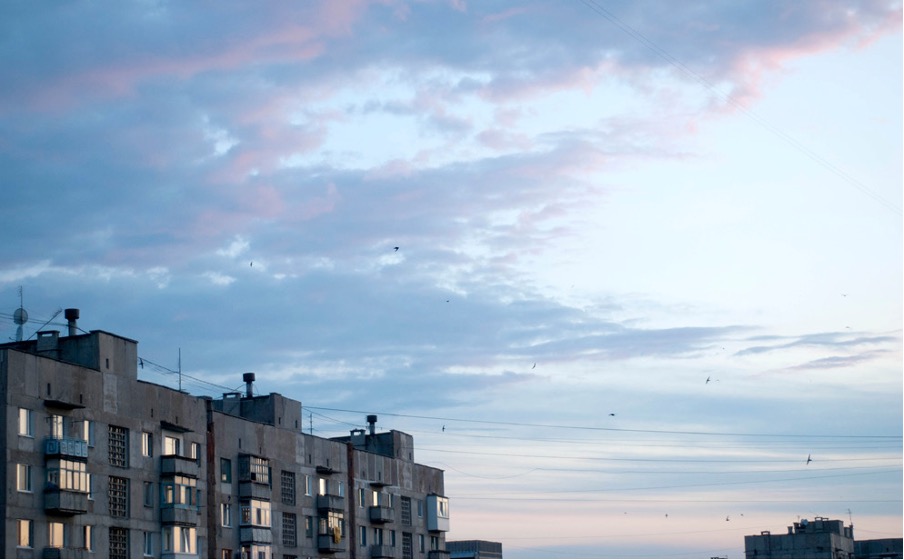
Peer-reviewed articles Echoes of peace, lives of war WOMEN’S NARRATIVES OF BELONGING IN DONBAS
Drawing on five narrative interviews with women from Ukraine’s Donbas, this article explores how belonging and national identification shift across three temporalities: everyday life before 2014, the outbreak of war in 2014, and the full-scale invasion in 2022. Using grounded theory coding, it traces how conflicting Ukrainian and Russian nation-making projects are experienced through domestic routines, media consumption, and encounters with state institutions. Before 2014, regional pride and Russophone familiarity distanced Ukrainian narratives, until war shattered this normality and forced difficult, morally charged choices. After 2022, respondents describe intensified fear, betrayal, and a reconfiguration of home and belonging, while distinguishing survival from political loyalty under occupation. The article argues that identity in Donbas is neither binary nor linear, but a gendered, emotional, and relational process shaped through everyday practices and retrospective moral evaluation. By centring women’s voices, the study complicates top-down accounts of nationhood and shows why reconciliation must address mistrust, recognition, and personal repair and dignity.
Published in the printed edition of Baltic Worlds BW 2026:1 pp 94-105
Published on balticworlds.com on April 23, 2026


abstract
Drawing on five narrative interviews with women from Ukraine’s Donbas, this article explores how belonging and national identification shift across three temporalities: everyday life before 2014, the outbreak of war in 2014, and the full-scale invasion in 2022. Using grounded theory coding, it traces how conflicting Ukrainian and Russian nation-making projects are experienced through domestic routines, media consumption, and encounters with state institutions. Before 2014, regional pride and Russophone familiarity distanced Ukrainian narratives, until war shattered this normality and forced difficult, morally charged choices. After 2022, respondents describe intensified fear, betrayal, and a reconfiguration of home and belonging, while distinguishing survival from political loyalty under occupation. The article argues that identity in Donbas is neither binary nor linear, but a gendered, emotional, and relational process shaped through everyday practices and retrospective moral evaluation. By centring women’s voices, the study complicates top-down accounts of nationhood and shows why reconciliation must address mistrust, recognition, and personal repair and dignity.
KEYWORDS: Donbas, Russo-Ukrainian war, women, everyday nationalism, nation-making, reconciliation.
Full article as a pdf for free download, see upper right corner.