
Download back issue of Baltic Worlds
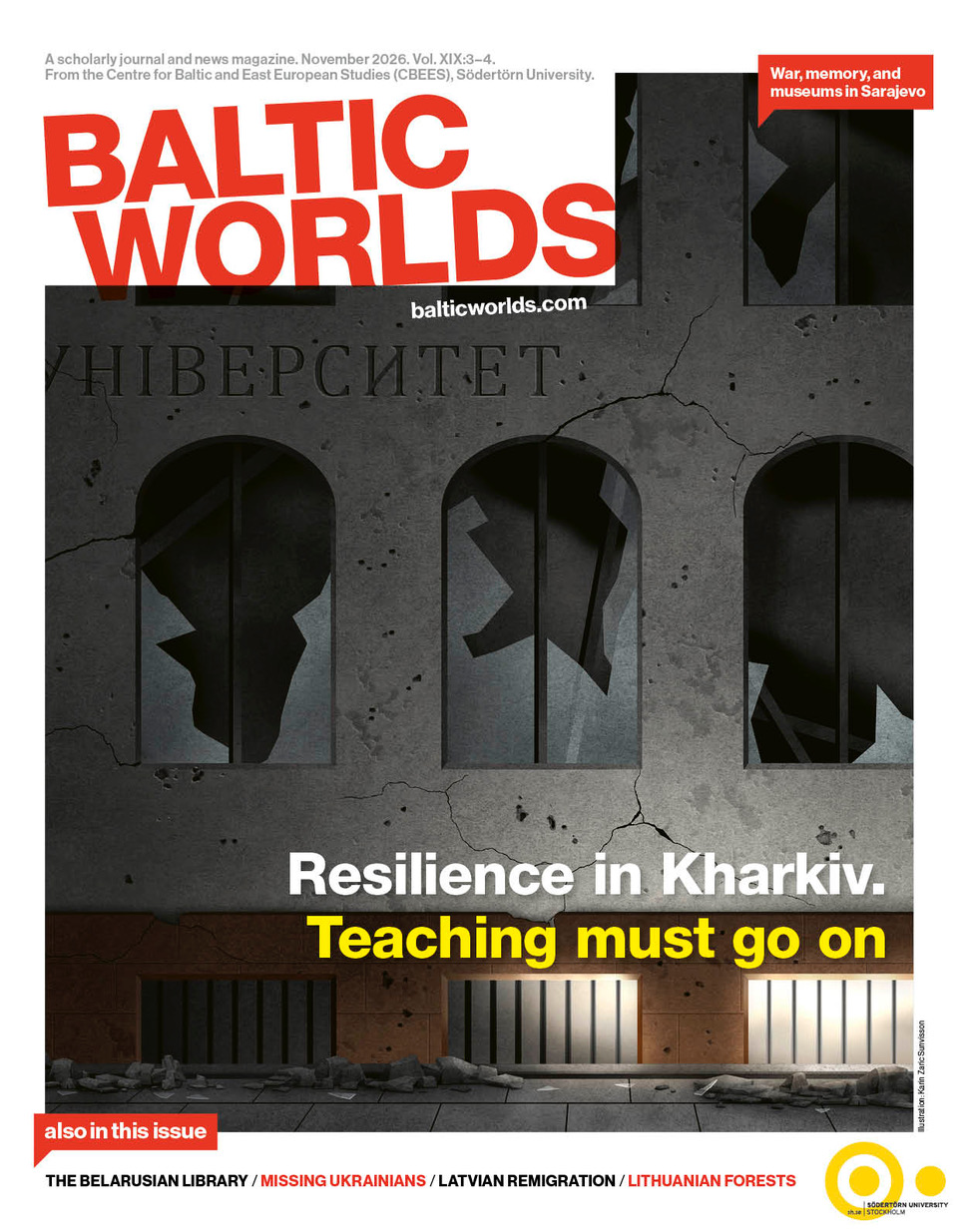 Issue 2026, 3-4: Download.
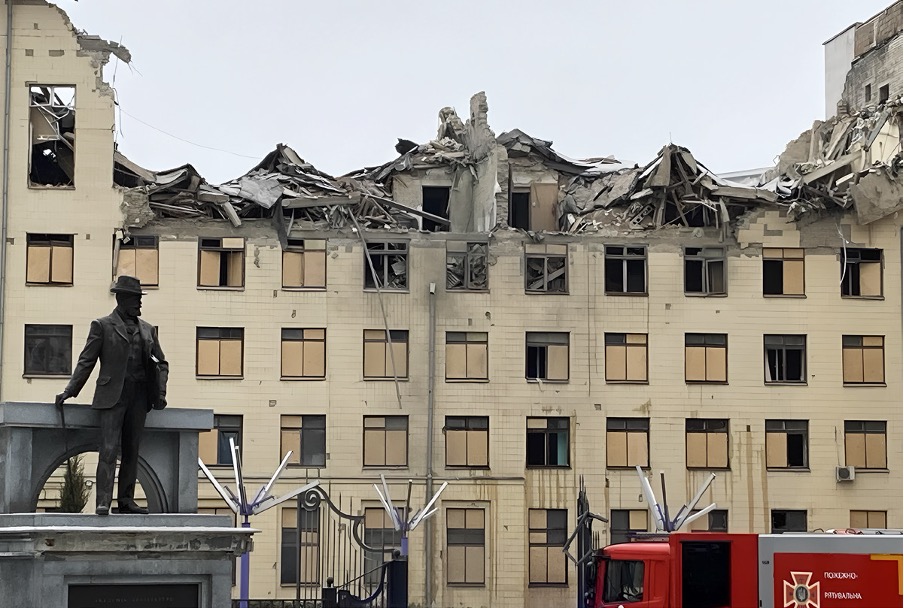
Essays Education as resistance WARTIME UNIVERSITY PRACTICES AND DECOLONIZATION IN UKRAINE
The full-scale Russian invasion of Ukraine has generated unprecedented threats to the nation’s educational system, compelling universities to develop innovative survival strategies against imperial aggression. Using Yaroslav Mudryi National Law University as a case study, this article examines how higher education functions as a decolonizing force during armed conflict. Drawing on document analysis, visual documentation, and thematic analysis, the study explores how wartime adaptations, such as transforming deep bomb shelters into classrooms and student housing, preserve the right to education and reinforce Ukraine’s intellectual sovereignty. Student choice data reveal an empowered learning community navigating blended and distance learning according to safety needs. Ultimately, these subterranean and digital adaptations transcend pragmatic necessity; they constitute acts of epistemic resistance that safeguard cultural identity, institutional autonomy, and the nation’s right to produce its own knowledge. The “underground university” thus emerges as a practical manifestation of education’s decolonizing power during war.
Published in the printed edition of Baltic Worlds BW 2026 vol. 19 no. 3-4, pages 45-55
Published on balticworlds.com on November 6, 2026


abstract
The full-scale Russian invasion of Ukraine has generated unprecedented threats to the nation’s educational system, compelling universities to develop innovative survival strategies against imperial aggression. Using Yaroslav Mudryi National Law University as a case study, this article examines how higher education functions as a decolonizing force during armed conflict. Drawing on document analysis, visual documentation, and thematic analysis, the study explores how wartime adaptations, such as transforming deep bomb shelters into classrooms and student housing, preserve the right to education and reinforce Ukraine’s intellectual sovereignty. Student choice data reveal an empowered learning community navigating blended and distance learning according to safety needs. Ultimately, these subterranean and digital adaptations transcend pragmatic necessity; they constitute acts of epistemic resistance that safeguard cultural identity, institutional autonomy, and the nation’s right to produce its own knowledge. The “underground university” thus emerges as a practical manifestation of education’s decolonizing power during war.
KEYWORDS: Higher education, education during war, in-person instruction, online education.