
Download back issue of Baltic Worlds
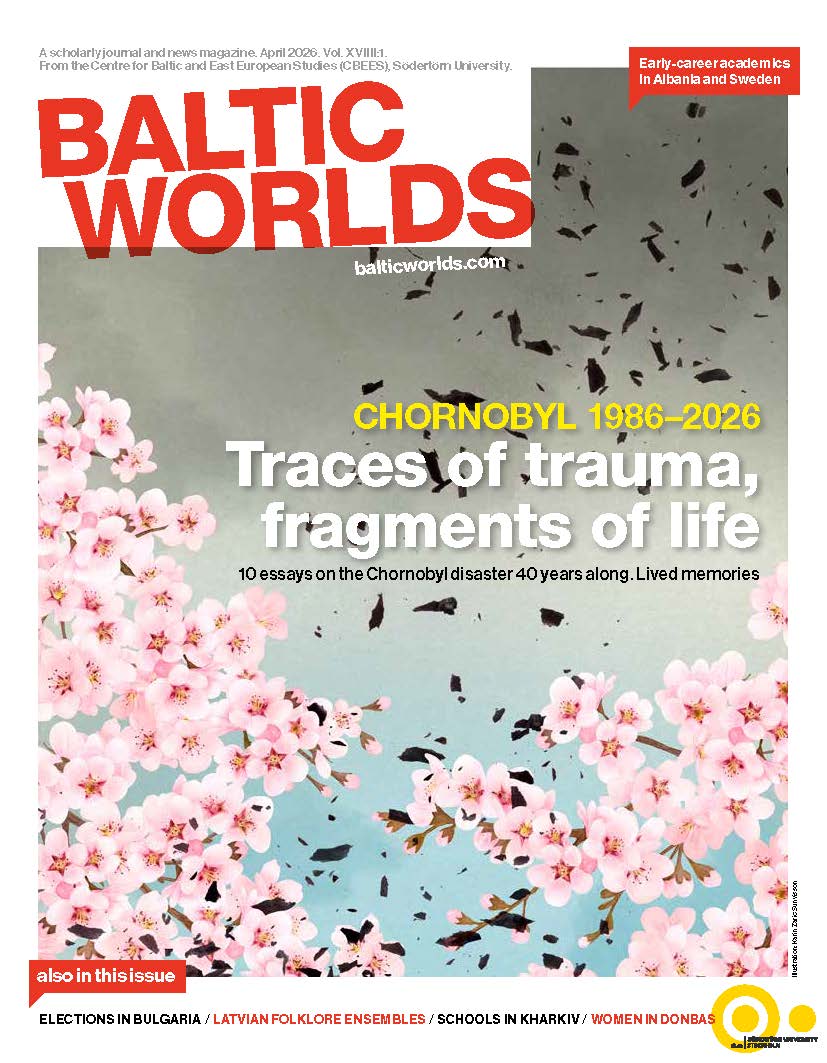 Issue 2026, 1: Download.

Peer-reviewed articles Is civil society in Russia really dead? Changing landscape of Russian civic activism amidst the war with Ukraine
This article examines the transformation of Russian civil society since the start of the full-scale invasion of Ukraine in 2022. Drawing on empirical research—including case studies, interviews with civic actors, and digital ethnography—it identifies divergent trajectories across civil society’s institutional and grassroots segments. While politicized and formalized organizations have experienced sharp repression and decline, grassroots initiatives have expanded, often adopting informal, decentralized, and digital forms. These shifts do not indicate the death of civil society but rather its adaptation to an increasingly authoritarian context. The article argues that the war has acted as an accelerant to long-standing trends: the erosion of institutional influence, the growing dominance of state-controlled funding, and the rise of localized, informal civic engagement. At the same time, the article critiques the limitations of normative, democracy-centered models of civil society, which tend to equate civic vitality with political opposition and formal organization and proposes a more pluralistic and context-sensitive approach to analyzing civil society in non-democratic regimes.
Published in the printed edition of Baltic Worlds BW 2026:2, pp 32-44
Published on balticworlds.com on May 29, 2026


abstract
This article examines the transformation of Russian civil society since the start of the full-scale invasion of Ukraine in 2022. Drawing on empirical research—including case studies, interviews with civic actors, and digital ethnography—it identifies divergent trajectories across civil society’s institutional and grassroots segments. While politicized and formalized organizations have experienced sharp repression and decline, grassroots initiatives have expanded, often adopting informal, decentralized, and digital forms. These shifts do not indicate the death of civil society but rather its adaptation to an increasingly authoritarian context. The article argues that the war has acted as an accelerant to long-standing trends: the erosion of institutional influence, the growing dominance of state-controlled funding, and the rise of localized, informal civic engagement. At the same time, the article critiques the limitations of normative, democracy-centered models of civil society, which tend to equate civic vitality with political opposition and formal organization and proposes a more pluralistic and context-sensitive approach to analyzing civil society in non-democratic regimes.
KEYWORDS: Russian civil society, grassroots initiatives, authoritarianism, repression.