
Download back issue of Baltic Worlds
 Issue 2026, 1: Download.
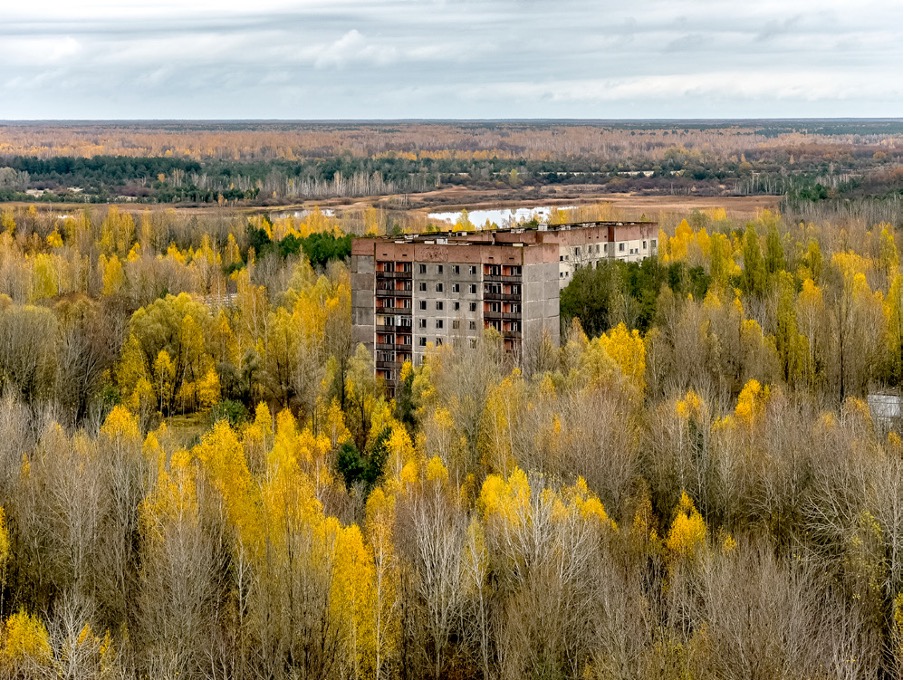
Essays The zone of memory
This article explores the transformation of the Chornobyl Exclusion Zone into a contemporary “zone of memory” shaped by physical inaccessibility and digital mediation. Drawing on memory studies and cultural heritage research, it analyzes how virtual tourism, social media, and virtual reality (VR) technologies influence the ways in which the catastrophe is remembered and experienced. Special attention is given to the role of immersive media, particularly VR applications, in producing affective and experiential forms of memory that differ from traditional narrative remembrance. The study argues that digital environments reorganize temporal perception and enable users to encounter the past as a sensory and emotional event, generating what may be described as immersive memory.
Published in the printed edition of Baltic Worlds BW 2026:1, pp 26-31
Published on balticworlds.com on April 23, 2026


abstract
This article explores the transformation of the Chornobyl Exclusion Zone into a contemporary “zone of memory” shaped by physical inaccessibility and digital mediation. Drawing on memory studies and cultural heritage research, it analyzes how virtual tourism, social media, and virtual reality (VR) technologies influence the ways in which the catastrophe is remembered and experienced. Special attention is given to the role of immersive media, particularly VR applications, in producing affective and experiential forms of memory that differ from traditional narrative remembrance. The study argues that digital environments reorganize temporal perception and enable users to encounter the past as a sensory and emotional event, generating what may be described as immersive memory.
KEYWORDS: Chornobyl, virtual reality, immersive memory, digital heritage, Chornobyl Exclusion Zone.
Full article as a pdf for free download, see upper right corner.