
Download back issue of Baltic Worlds
 Issue 2026, 1: Download.
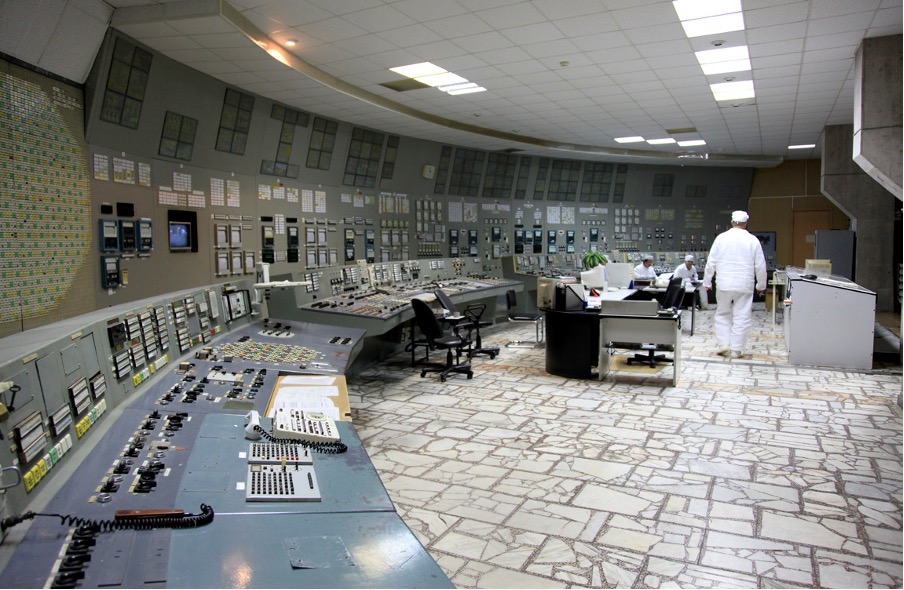
Essays What we wouldn’t know without Chornobyl The important work of scientists in the Exclusion Zone
From the moment of its establishment, the Chornobyl Exclusion Zone (CEZ) became a territory separated from the rest of the country: governed by different rules and a distinct internal logic. The isolation of the CEZ and the urgency of its tasks have shaped – and continue to shape – specific demands on the scientists who work there. Chornobyl science is also influenced by crises that have repeatedly redefined its priorities.
Published in the printed edition of Baltic Worlds BW 2026 vol.19. no. 1, pp 16-21
Published on balticworlds.com on April 23, 2026


abstract
From the moment of its establishment, the Chornobyl Exclusion Zone (CEZ) became a territory separated from the rest of the country: governed by different rules and a distinct internal logic. The isolation of the CEZ and the urgency of its tasks have shaped – and continue to shape – specific demands on the scientists who work there. Chornobyl science is also influenced by crises that have repeatedly redefined its priorities.
KEYWORDS: The Exclusion Zone, radioactive waste, nuclear power plants, Russo-Ukrainian war.
Full article as a pdf for free download, see upper right corner.