Lia Dostlieva and Andrii Dostliev
Lia Dostlieva is an Ukrainian artist, essayist, cultural anthropologist and researcher at Adam Mickiewicz University in Poznań, Poland. Focusing on trauma, postmemory, commemorative practices, and agency and visibility of vulnerable groups and how to process “difficult knowledge” and “difficult past”.
Andrii Dostliev is an independent Ukrainian artist, curator, and photography researcher currently based in Poland. His primary areas of interest are memory, trauma, identity – both personal and collective, and various aspects of queerness. Works in various media.
view all contributors
Articles by Lia Dostlieva and Andrii Dostliev
-
+ Peter Bötker Leviatan i arkipelagen. Staten, förvaltningen och samhället. Fallet Estland [Leviathan in the Archipelago: State, Administration, and Society: The Case of Estonia]. Stockholm: University of Stockholm, 2007.
-
+ Elena Zubkova Pribaltika i Kreml, 1940–1953 [The Baltic States and the Kremlin, 1940–1953], Moscow: Rosspen 2008. 351 pages.
-
+ Lennart Samuelson Tankograd. Den ryska hemmafrontens dolda historia 1917–1953 [Tankograd: The Secret History of the Russian Home Front, 1917–1953]. Stockholm: SNS Publisher 2007. 368 pp., illustrated.
-
In Hungary, there were several active women fascists. In the People’s Tribunals after World War II, however, few of the women were convicted. There was an unwillingness to think of women as capable of such evil deeds.
-
Political development in the three Baltic countries has not been equal. The development of democracy and the degree of corruption depends, among other things – it is argued here – on how the resistance against the Soviet Union was organized.
-
World leaders discussed things behind the scenes. Thatcher but also Mitterrand were against German reunification. An analysis of documents shows how Kohl managed to get the EU’s acceptance.
-
The geopolitical situation shaped life on the islands of Gotland, Rügen, and Saaremaa. They became garrison islands and the presence of the military transformed daily life. After the Cold War, the military left the islands.
-
An analysis of the film The Reader, based on the book of the same name. The film’s perspective on individuals’ behavior during the Holocaust makes coming to terms with acts of the past impossible – which itself invalidates the entire film.
-
In the 1960s Hungarian intellectuals listened to jazz as a protest against the system. Symbols united them in the fight. In 1989 they returned to lead the revolution.
-
Cybernetics was created in the Soviet Union in the ’50s; it celebrated technical progress as the future of mankind. Cybernetics proceeded from the encounter between human and machine.
-

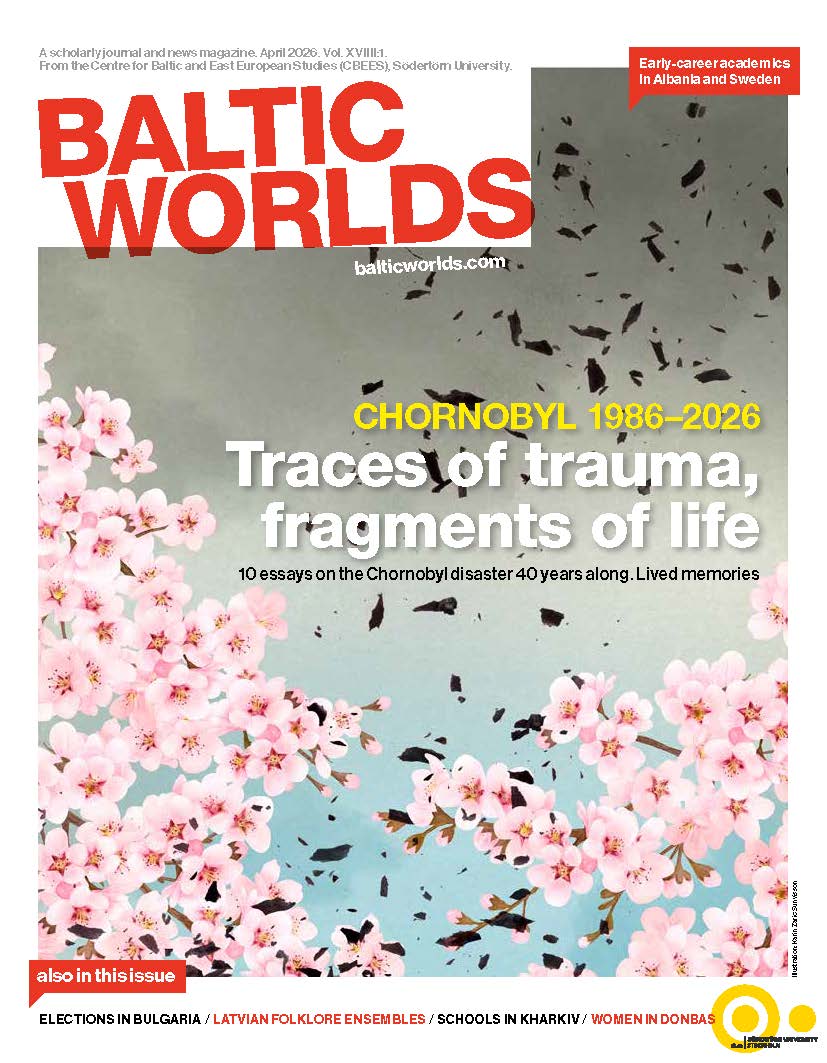 Issue 2026, 1: