
Download back issue of Baltic Worlds
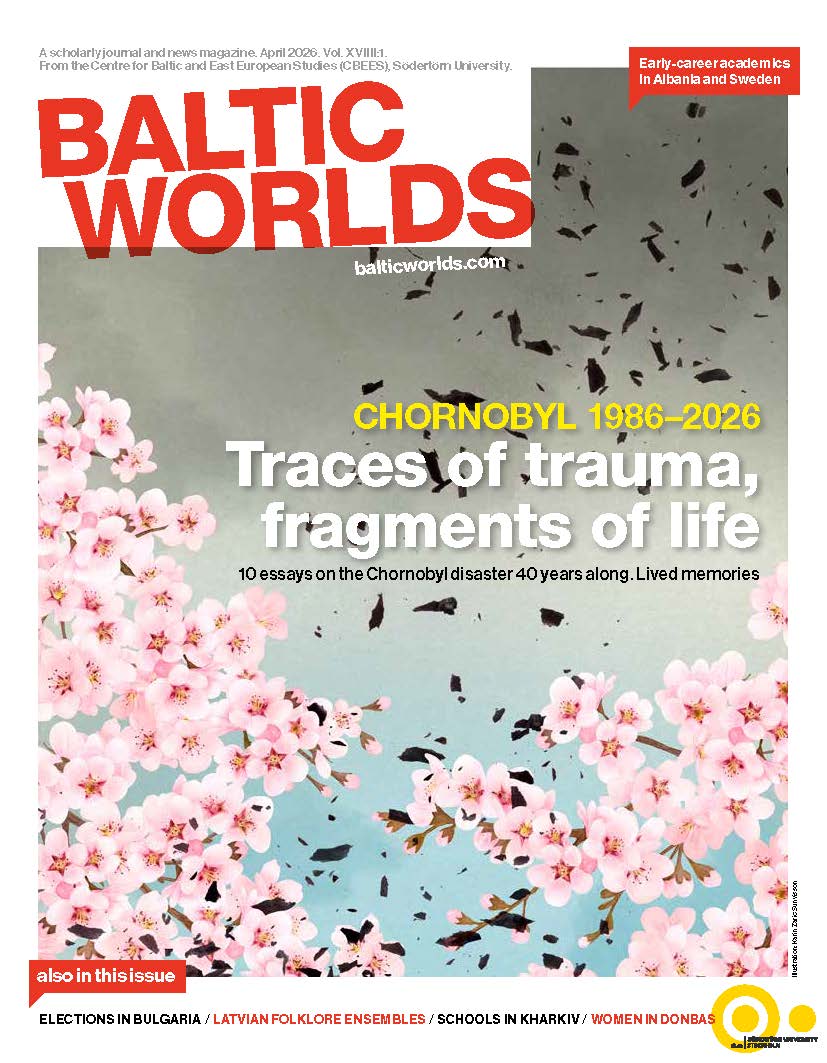 Issue 2026, 1: Download.
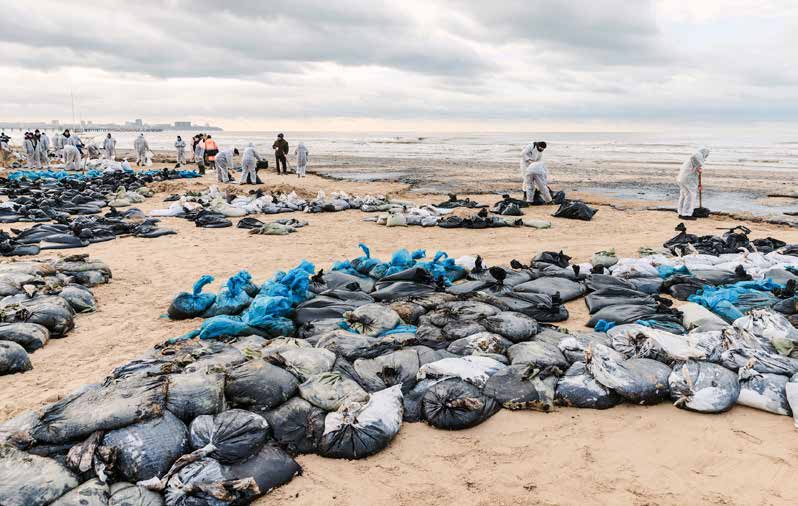
Peer-reviewed articles FROM ADAPTATION TO RESISTANCE Divergence of environmental activism in wartime Russia
This article analyses how environmental activism in Russia has been reshaped under wartime authoritarianism following the full-scale invasion of Ukraine in 2022. Drawing on 34 semi-structured interviews with representatives of environmental organizations and initiatives conducted between 2022 and 2025, it examines how repression, co-optation, and nationalist politicization have transformed the field of environmental engagement. The article argues that the Russian state has reorganized the environmental field through the expansion of government-organized non-governmental organizations (GONGOs) and the promotion of sovereignty-centered narratives such as sovereign ecology” and green patriotism. While repression remains the main driver of depoliticization, GONGOs redefine the boundaries of legitimate environmental engagement by embedding ecological discourse within narratives of national sovereignty. Independent NGOs and grassroots initiatives have responded differently. These dynamics reveal how wartime authoritarianism restructures environmental activism.
Published in the printed edition of Baltic Worlds BW 2026:2, pp 98-113
Published on balticworlds.com on May 29, 2026


abstract
This article analyses how environmental activism in Russia has been reshaped under wartime authoritarianism following the full-scale invasion of Ukraine in 2022. Drawing on 34 semi-structured interviews with representatives of environmental organizations and initiatives conducted between 2022 and 2025, it examines how repression, co-optation, and nationalist politicization have transformed the field of environmental engagement. The article argues that the Russian state has reorganized the environmental field through the expansion of government-organized non-governmental organizations (GONGOs) and the promotion of sovereignty-centered narratives such as sovereign ecology” and green patriotism. While repression remains the main driver of depoliticization, GONGOs redefine the boundaries of legitimate environmental engagement by embedding ecological discourse within narratives of national sovereignty. Independent NGOs and grassroots initiatives have responded differently. These dynamics reveal how wartime authoritarianism restructures environmental activism.
KEYWORDS: Russia’s invasion of Ukraine, environmental movement, GONGOs in Russia, grassroots activism, political opportunity structures.