Over 40 researchers representing countries spanning from Ukraine to the United States and from Sweden to Serbia gathered in Prague to explore the changing roles of rural and urban cultural heritages in post-socialist countries.
By
Paul Sherfey
March 7, 2019
The diverse mosaic of urban experiences in Prague, Riga, Belgrade, and Tirana is related to major drivers of change in the economic, social, and institutional environment. In mapping an analytical terrain for this comparative study, the “socialist city” is taken as the primary point of departure. One set of influences represents the outcomes associated with the transition to markets, democracy, and decentralized government.
By
Sasha Tsenkova
May 14, 2013
A young geographer by the name of Sten De Geer mapped the cities around the Baltic Sea in an article published in 1912. As an attempt to capture the urban structure of Baltic region cities, his paper is unique. In this article, we comment on his meticulous descriptions of these cities, with a century-long perspective.
By
Thomas Lundén
January 7, 2013
Sweden was the first in Europe to protect nature in urban areas. Today, a wide range of national urban parks are being established in the countries around the Baltic Sea, parks that will satisfy the city-dweller’s need to spend time in nature.
By
Pontus Reimers
July 1, 2010

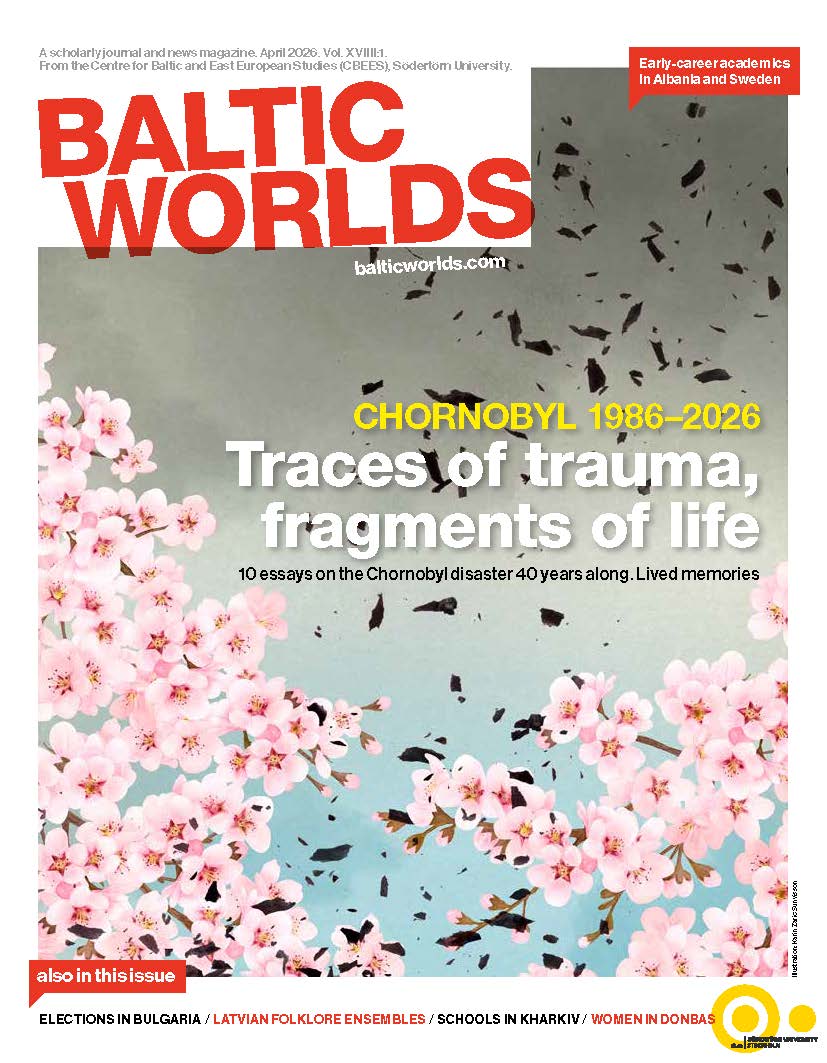 Issue 2026, 1:
 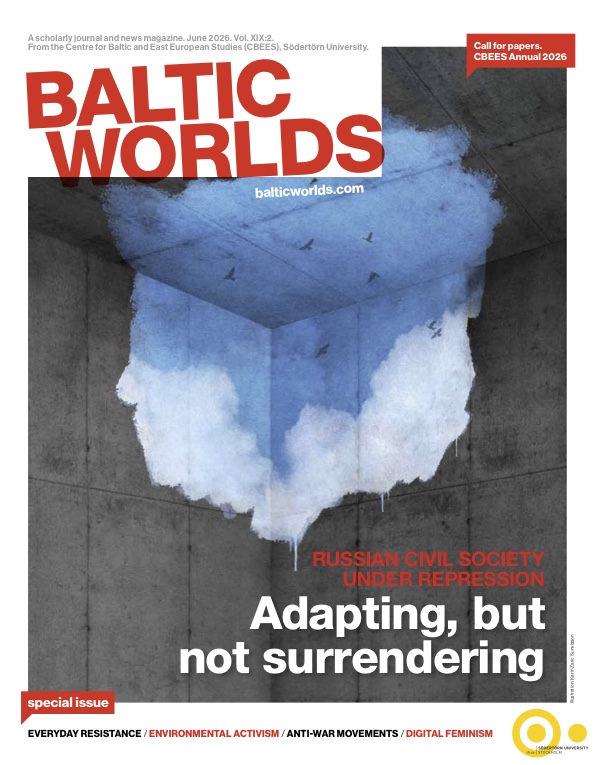 Issue 2026, 2:
  Baltic Worlds covers; the Baltic Sea Region, Eastern Europe, Russia, CentralAsia, Caucasus and the Balkan area.